
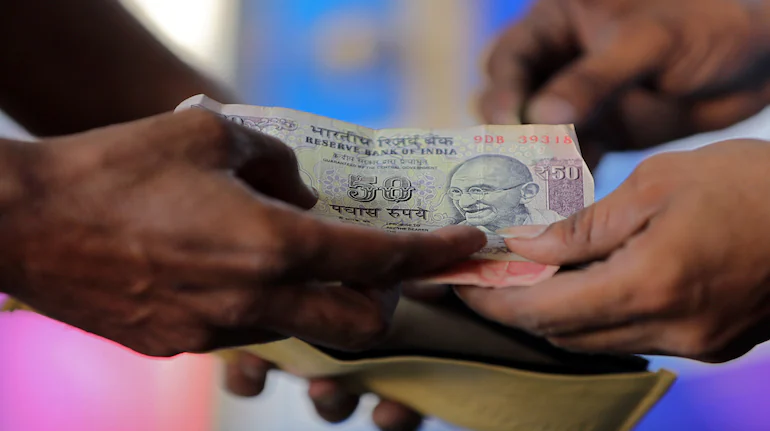
Direct cash transfer schemes for women are creating broader economic benefits beyond immediate household spending, according to a new analysis.
The report highlights that Indian states collectively transfer nearly:
💵 ₹1.7 trillion
through various welfare and women-support schemes.
📊 What Did the Study Find?
A follow-up study conducted in:
👉 Odisha
showed that a large share of the money transferred to women was not just spent on consumption.
Instead, many women used the funds for:
- Small businesses
- Self-employment activities
- Household income generation
- Productive investments
🧠 Why Is This Important?
Traditionally, unconditional cash transfers are often criticised for:
- Encouraging dependency
- Being “free money” without long-term impact
But the findings suggest otherwise.
👉 Women are using funds in economically productive ways.
📈 Key Second-Round Effects
🛍️ 1️⃣ Growth in Small Businesses
Many recipients reportedly invested in:
- Shops
- Livestock
- Farming inputs
- Home-based businesses
👩💼 2️⃣ Rise in Self-Employment
Cash transfers helped women:
- Start micro-enterprises
- Expand existing work
- Improve financial independence
🏠 3️⃣ Better Household Stability
The schemes also improved:
- Food security
- Education spending
- Emergency savings
💡 Why Women-Centric Transfers Matter
Studies globally have often shown that when women control money:
- Household welfare improves
- Children’s education spending rises
- Nutrition outcomes improve
📊 Economic Impact Beyond Welfare
The article argues that these schemes may act as:
- Local economic stimulus
- Consumption support
- Grassroots entrepreneurship funding
👉 Meaning the economic impact can extend far beyond direct beneficiaries.
⚠️ Challenges Still Exist
Some concerns remain:
- Fiscal burden on states
- Long-term sustainability
- Ensuring targeted delivery
🔍 Final Takeaway
- States are transferring nearly ₹1.7 trillion through women-focused schemes.
- Evidence from Odisha suggests much of the money is being used productively.
- The findings challenge the belief that unconditional cash transfers only fuel consumption.
👉 The bigger takeaway:
