
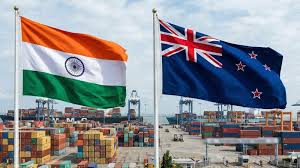
In the latest edition of Moneycontrol Editor’s Picks, several critical economic and policy developments take centre stage — from global trade agreements to domestic inflation trends and the growing challenges faced by skilled migrants abroad.
A key focus is the India–New Zealand Free Trade Agreement (FTA), which has sparked debate on both sides. While critics in New Zealand have raised concerns, the agreement carries strategic importance for India. The FTA could help India reduce dependence on certain Chinese imports by opening alternative trade channels, strengthen supply chains, and boost exports in key sectors. Despite resistance from sections of New Zealand’s administrative establishment, the deal’s long-term economic and geopolitical benefits make it far more significant than detractors suggest.
On the domestic front, the Reserve Bank of India (RBI) is closely monitoring the low-inflation environment. While easing price pressures are generally positive, persistently low inflation can signal weak demand and slower economic momentum, prompting the central bank to stay cautious in its policy approach.
The edition also highlights why India’s top four stockbrokers remain optimistic, even after losing a sizable portion of their investor base. Their confidence stems from structural market growth, rising retail participation over the long term, and evolving product offerings that go beyond traditional trading.
Interestingly, the broader equity market showed a muted reaction to recent GST rationalisation and interest rate cuts, reflecting concerns over earnings growth, global uncertainty, and liquidity rather than policy moves alone.
Another pressing issue covered is the ongoing H1B visa crisis, which continues to create uncertainty for thousands of skilled professionals, particularly from India. Delays, stricter scrutiny, and policy unpredictability have turned what was once a pathway to opportunity into a prolonged nightmare for many families.
Looking ahead, the editors point to 2026 as a breakout year for weight-loss drugs in India, driven by rising lifestyle-related health issues, growing awareness, and increased availability of advanced treatments.
Also featured is a potential Union Budget push to incentivise small aircraft manufacturing, signalling India’s ambition to deepen its footprint in aviation and aerospace manufacturing.
Together, these stories offer a comprehensive look at the forces shaping India’s economy, markets, and global positioning — making this edition a must-read for investors, policymakers, and business watchers alike.
