
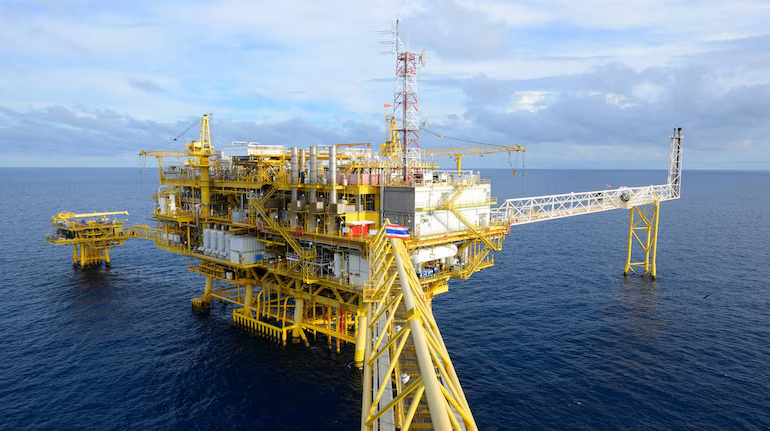
Global oil prices climbed above $100 per barrel even after a record release from strategic petroleum reserves, as traders remain concerned that the supply disruption risk has not ended.
Why oil is rising
The surge is largely driven by fears that energy supplies moving through the Strait of Hormuz could be disrupted. This narrow waterway is one of the most critical oil transit routes in the world, through which a significant share of global crude exports passes.
Even though major economies released oil from their strategic reserves to calm markets, traders believe the move may only provide short-term relief if geopolitical tensions continue.
Key factors pushing prices higher
- Supply disruption fears around the Strait of Hormuz
- Geopolitical tensions in the Middle East
- Strong global demand outlook despite economic uncertainty
- Traders betting that the supply shock could persist
Why reserve releases didn’t stop the rally
Strategic reserve releases typically increase supply temporarily. However, market participants believe:
- The volume released may not fully offset potential supply disruptions
- The crisis could last longer than expected
- Energy traders are pricing in future risk, not just current supply
Impact on global markets
- Higher fuel prices worldwide
- Potential inflation pressure for major economies
- Increased volatility in equity and commodity markets
What to watch next
Investors will closely track:
- Developments in the Middle East and Strait of Hormuz
- Further strategic reserve releases by major economies
- OPEC+ production decisions
If supply concerns intensify, analysts warn that oil prices could remain above $100 or move even higher in the near term.
